
News
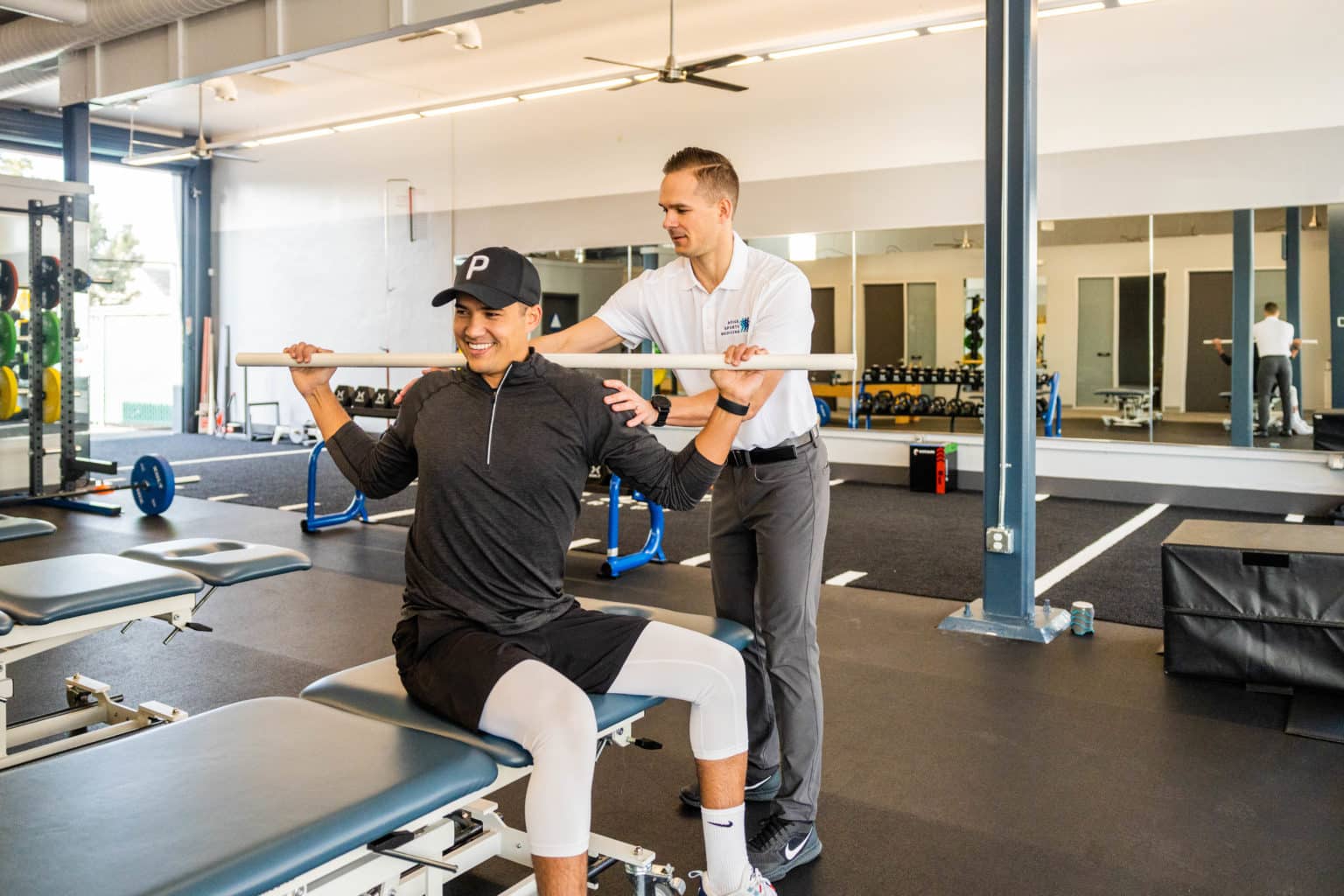
Golf is often seen as a sport of precision, rhythm, and mental focus. Yet behind every powerful drive and delicate chip lies a body that must withstand repetitive swings, long practice sessions, and the stress of competition. While strength training, skill drills, and periodisation dominate most training conversations, recovery is the silent partner that makes all of it possible. Without recovery, gains stall, injuries creep in, and performance plateaus.
Why Recovery Matters in Golf
Unlike contact sports, golf demands subtle but continuous physical exertion. Hours of practice can strain the lower back, shoulders, and wrists, while tournament play often stretches across multiple days. Recovery allows the body to repair micro‑tears in muscles, restore energy reserves, and recalibrate the nervous system. Just as importantly, it provides mental clarity, helping golfers reset focus and avoid mental burnout.
Physical Recovery Strategies
– Rest and Sleep: Deep sleep is the most powerful recovery tool. It consolidates motor learning, repairs tissues, and restores energy.
– Active Recovery: Light activities such as walking, yoga, or swimming promote blood flow without adding stress, easing stiffness from repetitive swings.
– Mobility and Stretching: Targeted stretches for hips, shoulders, and thoracic spine maintain flexibility, reducing the risk of overuse injuries.
– Nutrition and Hydration: Balanced meals rich in protein, healthy fats, and micronutrients accelerate muscle repair, while hydration supports joint health and focus.
Mental Recovery in Golf
Recovery is not only physical. Golfers must manage the psychological toll of competition, pressure, concentration, and emotional swings. Techniques such as mindfulness, visualisation, and scheduled downtime help restore mental energy. A golfer who learns to step away from the game periodically often returns sharper and more resilient.
Integrating Recovery into Training
Recovery should be treated as a deliberate phase within a golfer’s training plan, not an afterthought. This means scheduling rest days, tapering workloads before major tournaments, and listening to the body’s signals. Smart golfers recognise that recovery is not “lost time” but an investment in future performance.
The role of recovery in golf training is fundamental. It bridges the gap between effort and improvement, ensuring that strength gains translate into swing speed, and practice hours become consistency on the course. Recovery is the quiet force that sustains longevity, sharpens focus, and allows golfers to peak when it matters most. In the pursuit of excellence, it is not just the hours spent training that count, but it is the wisdom to rest, recharge, and rise again.