
News
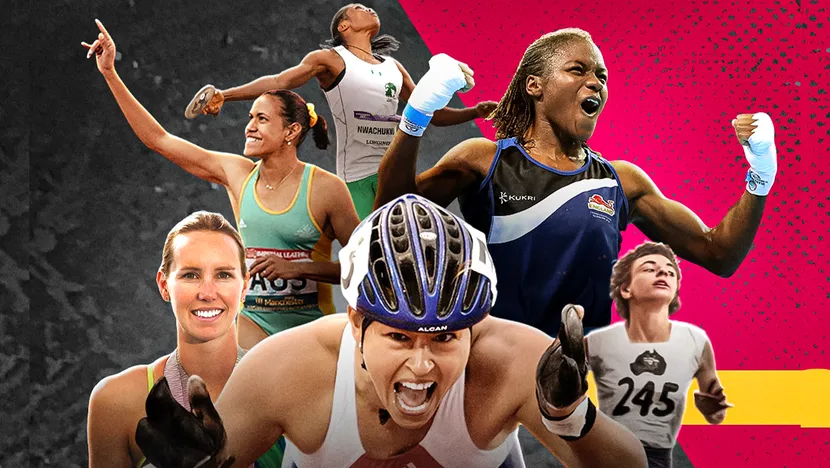
Can talent alone overcome social barriers, or does the growth of women’s sports in India depend on deeper structural change? Women’s sports in India have undergone a notable transformation over the years, evolving from limited participation to increasing national and international recognition. Traditionally, Indian society viewed sports as a male-oriented activity, and women who aspired to pursue sports careers often faced social restrictions, gender stereotypes, lack of family support, and inadequate access to training facilities. These barriers significantly limited female participation, especially at the ground level.
Despite these challenges, Indian women athletes have consistently demonstrated exceptional talent and resilience across various sporting disciplines such as badminton, boxing, wrestling, shooting, weightlifting, and cricket. Achievements by athletes like P.V. Sindhu, Mary Kom, Sakshi Malik, Mirabai Chanu, Mithali Raj, and many others have not only earned international medals but also challenged traditional perceptions about women’s capabilities in sports. Their success has played a crucial role in inspiring young girls to take up sports professionally.
The role of the government and sports institutions has been significant in promoting women’s sports in India. Initiatives such as Khelo India Programme, the Target Olympic Podium Scheme (TOPS), and the efforts of the Sports Authority of India have helped provide financial assistance, structured training, improved infrastructure, and international exposure to women athletes. Additionally, the emergence of professional platforms such as the Women’s Premier League in cricket has enhanced visibility, sponsorship opportunities, and professional recognition for women players.
However, while women’s sports in India have made commendable progress, sustained development requires stronger policy implementation, equal resource allocation, cultural acceptance, and athlete-centric support systems. Addressing these issues holistically is essential to ensure long term growth, equality, and excellence in women’s sports India. The landscape of women’s sports in India presents a complex tapestry of systematic barriers, cultural constraints, and institutional inadequacies that collectively impede the progress of female athletes despite their demonstrated excellence on global platforms.
Deep-Rooted Gender Stereotypes
Indian society has historically constructed sports as a masculine domain, creating pervasive stereotypes that view athletic pursuits as incompatible with traditional femininity, manifesting in multiple ways such as ; Sports requiring physical contact or competitive aggression are often deemed “unfeminine” or “inappropriate” for women.
Female athletes face criticism for developing muscular physiques, which contradicts conventional beauty standards. Women in sports, specially those in traditionally male-dominated disciplines, often face unfounded speculation about their sexual orientation. Families worry about community perception, fearing that daughters participating in sports will be viewed as rebellious or unsuitable for marriage.
Lack of Family and Community Support
The absence of encouragement from immediate social circles compounds to challenges like parental discouragement, where parents, particularly fathers often view sports as a distraction from academics or marriage preparation. Girls face teasing or ostracization from peers for pursuing athletic interests. Families invest in boys sports while directing girls toward academic pursuits exclusively limiting the visibility of successful female athletes, meaning fewer inspirational figures for young girls.
Economic and Resource Disparities
The financial commitment to women’s sports reveals systematic gender bias at the institutional level where only 5-7% of India’s total sports budget is allocated to women’s sports. Men’s sports receive disproportionate funding across all levels; grassroots development, elite training, infrastructure, and promotional activities. Limited budgeting create a cascading effect, leading to fewer tournaments, reduced prize money, inadequate facilities, and minimal promotional support. The disparity in earnings between male and female athletes is stark and demoralizing. For example, male cricketers earn 10-14 times more than their female counterparts despite comparable skill levels and international achievements.
Sponsorship and Commercial Investment Gap
Corporate India’s investment patterns reflect and reinforce gender bias where female athletes struggle to secure personal endorsement deals unless they achieve extraordinary international success. Companies perceive women’s sports as less marketable, creating a self-fulfilling prophecy of limited investment and visibility. Sponsors demand higher performance standards from female athletes irrespective of equipment shortages and limited budgets mean fewer equipment sets, forcing athletes to share or wait for availability.
Media Representation and Visibility
The media’s treatment of women’s sports perpetuates inequality and limits growth potential of female athletes. Women’s sports receive an estimate of 5-10% of total sports media coverage despite comprising half the athletic population. Major sports publications dedicate minimal column inches to women’s sports, relegating coverage to back pages or online-only content. Another factor that has widely been observed is that female athletes are constantly compared to male counterparts rather than evaluated on their own merits. Women’s competitions are described using diminutive language or framed as novelties rather than serious athletic contests.
Institutional and Policy Gaps
The absence of women in sports administration perpetuates gender-biased policies. Women remain significantly underrepresented in sports leadership, with fewer than 10-15% holding leadership positions in national and state sports federations. Selection committees are largely male-dominated, often lacking sensitivity to the specific needs and challenges faced by female athletes. Similarly, very few women occupy head coaching roles at the national level across sports, and their presence in technical and rules committees that share sport regulations is minimal. This male-dominated governance leads to several consequences, including policy blindness where crucial female-specific issues such as menstrual health, pregnancy, childcare, and athlete safety are overlooked.
Globally, countries have adopted diverse strategies to address gender inequality in sports, with varying degrees of success. While the challenges faced by women in sports are universal ranging from cultural barriers to institutional inequities. The most effective solutions often involve a combination of legislative frameworks, institutional reforms, cultural shifts, and sustained investment in women’s sports. A comparative analysis of leading nations reveals that systematic change is possible when governments, sports organizations, and civil society collaborate to create an inclusive environment for female athletes.
Countries like the United States have implemented legislation such as Title IX, which requires equal access to sports opportunities in educational institutions receiving federal funding. This has led to significant increase in women’s participation in high school and college sports. In the United Kingdom, Sport England provides targeted funding for women’s sports, ensuring that resources are allocated based on need and potential. Similarly, Canada’s Sport Canada has developed a gender equity strategy that ensures equal access to funding, facilities and coaching. These policies are supported by monitoring bodies, such as the Department of Education in the U.S., which ensures compliance through audits and enforcement actions.
The U.S. Women’s Soccer Team achieved a landmark victory in 2022 by winning a legal battle for equal pay, setting a global precedent for fair compensation in sports. This has encouraged other countries to adopt similar policies. In countries like the UK and Canada, women hold more leadership positions in sports organizations, contributing to policy decisions that promote gender equity. Programs in the U.S., UK and Canada have focused on identifying and nurturing female talent from an early age, ensuring a steady pipeline of talent.
Countries with higher media coverage of women’s sports have seen increased participation and commercialization. For example, the 2023 FIFA Women’s World Cup recorded record-breaking viewership, highlighting the growing global interest in women’s sports. The UK has established strong broadcasting deals for women’s sports, including the Women’s Super League (WSL) and the Women’s FA Cup, which attract significant viewership. Similarly, Canada has invested in broadcasting women’s hockey and soccer leagues.
To address the persistent gender disparities in India’s sports industry, the country can draw upon successful global models by implementing a comprehensive national gender equity strategy that includes legislative reforms, institutional changes, and cultural shifts. India should establish a mandatory framework akin to Title IX in the U.S., ensuring equal access to sports opportunities in educational institutions and mandating proportional allocation of resources based on participation rates. The government must increase the allocation of sports funding to women’s programs, aiming to close the current 5-7% funding gap, and enforce policies that ensure equal pay and compensation for female athletes, setting a precedent for fair treatment across all levels of competition. Media visibility must be prioritized through increased broadcasting of women’s sports, with significant investment in digital and traditional platforms to elevate the profile of female athletes and challenge societal stereotypes. Corporate sponsorship should be encouraged through incentives for brands that support women’s sports, while grassroots initiatives such as school-based programs and community engagement efforts can foster early participation and create role models to inspire young girls. Additionally, women must be represented in leadership positions within sports federations and administrative bodies to ensure that policies are informed by gender-specific needs. By adopting these measures, India can create a more inclusive and equitable sports environment, where women have equal opportunities to succeed, ultimately transforming the landscape of women’s sports in the country.