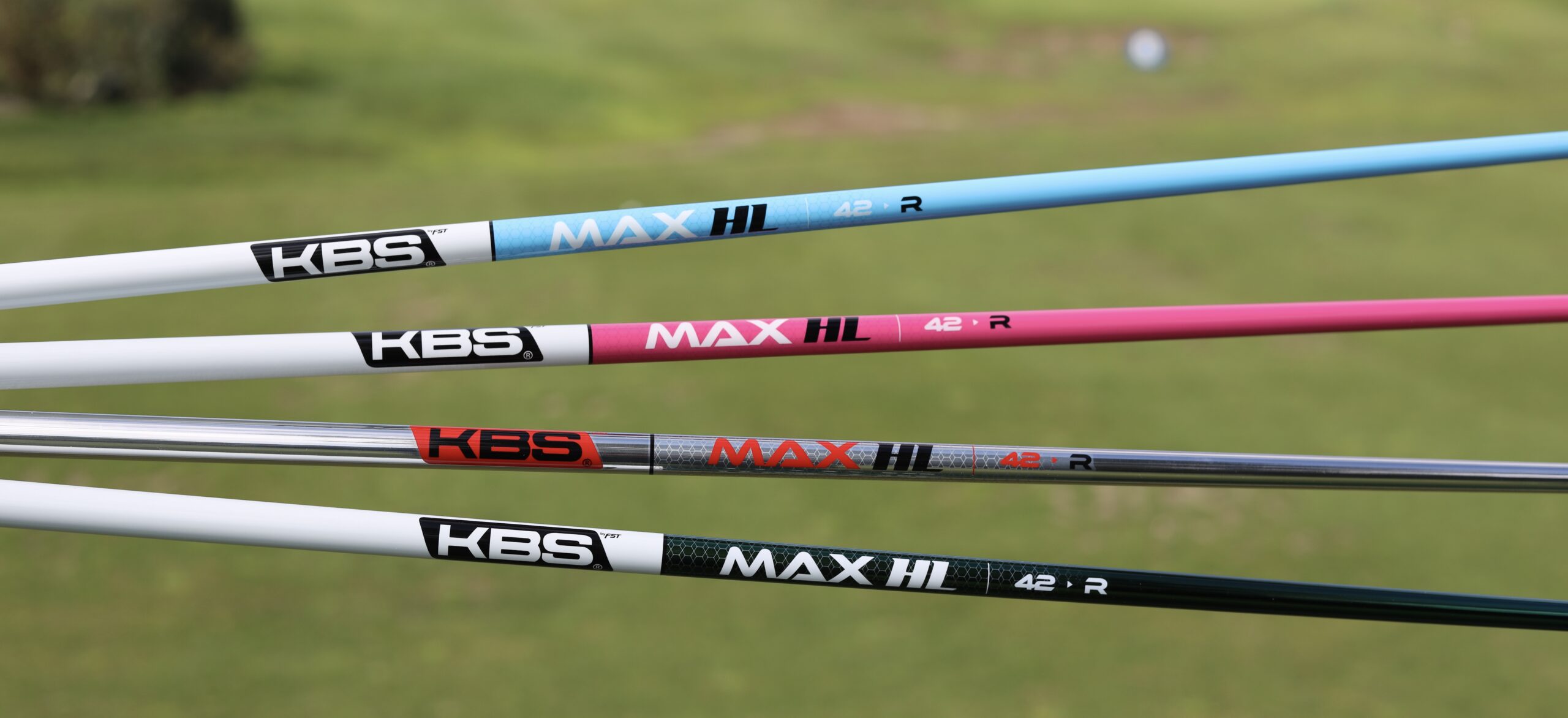
The game of golf has been constantly shaped from time to time by the introduction and usage of new golf equipment. As and when new golf equipment has been innovated, the game has changed drastically, to take the shape it has got today. One such innovative golf equipment are graphite shafts. Once considered a novelty, graphite shafts have become a common name, as they are now found in the golf kit of almost every golfer, whether it is a junior golfer, or a professional golfer. Flexible and lightweight, drivers and irons with graphite shafts are favourites of every golfer, as they generate power when swung.
For years, graphite shafts could not pick any momentum, as it was believed that graphite shafts were meant only for women, juniors, seniors, and for any golfer with a slower swing speed, and needed help with generating longer distance. This is because clubs with graphite shafts are extremely lightweight, their weights varying from 40-50 grams, and do not snap under pressure, unlike lightweight steel shafts which are dangerously fragile and unstable, and stand the risk of snapping under pressure, posing threat to injuries to the golfer on the course.
Graphite shafts did not gain popularity until the late 1970s. The manufacturers were looking for alternatives for steel shafts – something lightweight, to reduce weight and improve swing performance. A form of carbon fiber bonded well with resins, graphite shafts were not immediately embraced by the manufacturers as well as the golfers because traditional usage of steel shafts had made the golfers well acquainted with the heaviness of the clubs, and they doubted the credibility, durability and consistency of graphite shafts. The traditional golfers preferred the familiar feel of steel shafts which they had been using for a long time. While even the manufacturers had doubt in their minds, today’s graphite shafts are a result of their meticulous research, and upgradation in the process of manufacturing graphite shafts.
Improved performance due to effortless swing: By the 1980s, graphite shafts became largely accepted, and by the late 1990s to the 2000s, clubs with graphite shafts were in the bags of almost every golfer. With a lighter shaft, it became easier for golfers of every skill level to increase their clubhead speed, and cover greater distance without having to put extra effort, and just as the traditionals had predicted, this became popular at the initial stage, among the women, seniors and junior golfers, whose swing speed was much slower than that of the professionals. Slowly, even the professionals realized that clubs with graphite shafts could easily optimize their performance by fine-tuning their swing.
Easy customization: As time passed, golfers realized that steel shafts, although popular and useful, had its own limitations. While graphite shafts could be customized according to the need and temperament of the golfer, steel shafts could not be. Whether a smooth tempo or an aggressive transition, graphite shafts can be matched with individual needs and playing style. Golfers realized that graphite shafts could also help them achieve greater distance without losing accuracy of a shot or swing, thereby giving them power and control over their club, as well as on the game.
Reduction in vibration and injury: Graphite shafts are more useful in absorbing shock and hence, reduces the vibration felt in the shoulders, hands and the wrist. Players prefer graphite shafts in order to prevent injuries, and feel comfort while taking a swing. That is why graphite shafts are preferred by golfers with injuries and joint pains.
Custom fitting: Club fitting is an essential part of golf, and graphite shafts have a significant role to play in this process. To suit the needs of golfers at individual levels, club fitters can easily fine-tune clubs with graphite shafts, as graphite shafts are available in multiple weights, flexes and torque levels. Finely-tuned graphite shafts provide great consistency in shots, unlike steel shafts, which is difficult to be customized according to individual needs.
Increased inclusivity of the sport: The game of golf has become all the more inclusive due to the introduction and popularity of graphite shafts. Today, graphite shafts are not just used in drivers and woods, but also in hybrid clubs as well as irons. This improves the stability and control of a golfer over his clubs and on the game. The ultra-lightweight construction along with the other facilities that graphite shafts provide, have made the game enjoyable for everyone, whether a professional, or for someone who casually plays golf for fun. While juniors start enjoying the game due to the feel-good factor of the graphite shafts, senior golfers play without having to worry about injuries for a longer span of time.
Today, graphite shafts have become a cornerstone of modern golf. It caters to a large range of golfers with different playing styles and levels. Graphite shafts are developing further according to the need of the times and individual need of the players. There is no doubt in the fact that graphite shafts will continue to be a valuable tool in improving their overall performance.
 Add Listing