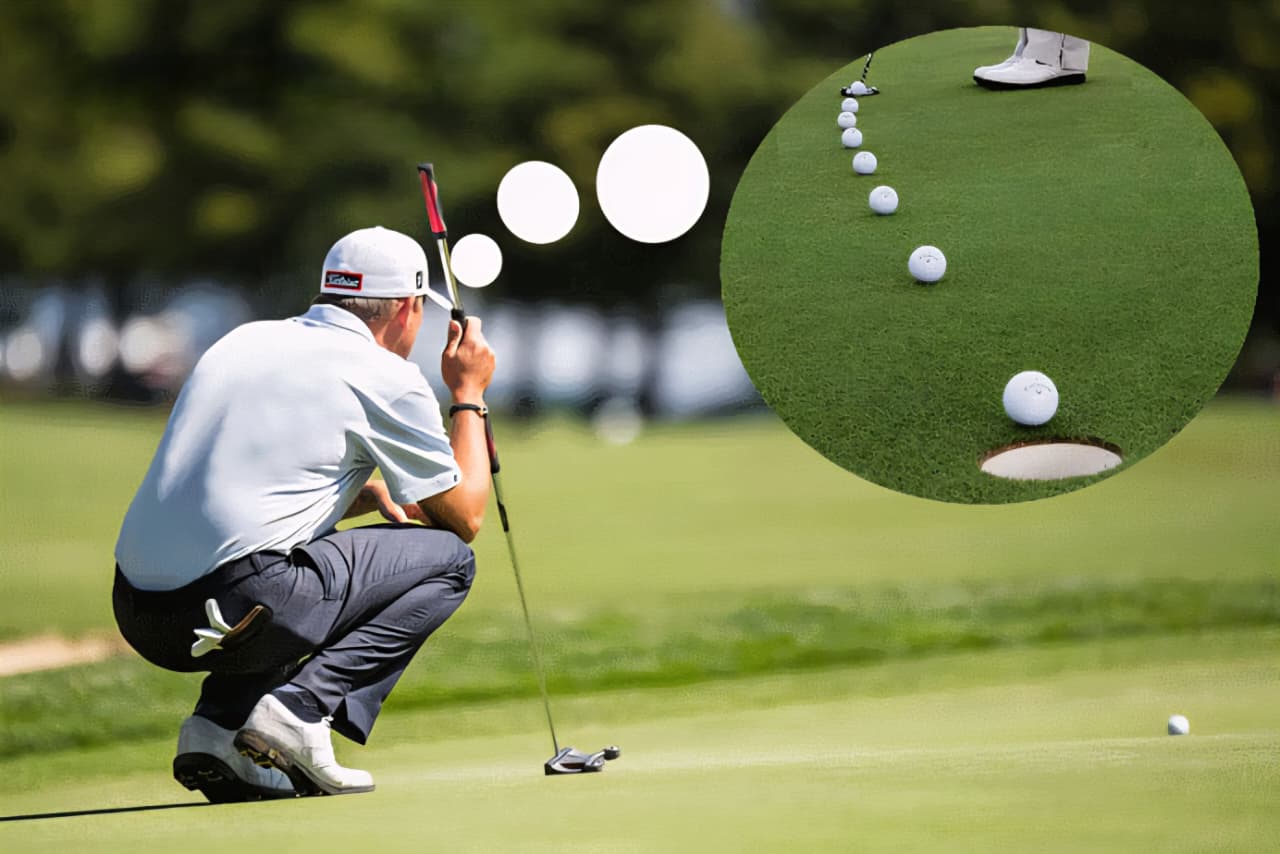
In today’s sports world, working on physical skills is really important, but how athletes think is just as vital. One great tool that athletes often use is visualisation. This means making clear mental pictures of doing well before they actually play. For golfers, who need to be precise, patient, and consistent rather than just strong, visualisation can really change the game.
What Is Visualisation in Sports?
Visualisation, or mental imagery, is when a player thinks about themselves making a move, taking a shot, or using a strategy successfully. The brain treats this imagined action like it is really happening, waking up the same parts that get used during actual games. In easier terms, athletes can practice in their minds without physically doing it.
Why It Works in Golf
Golf is as much about the mind as it is about the body. Each shot needs focus, timing, and self-belief. Visualisation helps golfers in several ways:
• Build Confidence: By seeing themselves make a perfect shot over and over in their heads, golfers get used to the idea, which helps calm their nerves on the course.
• Sharpen Technique: When an athlete mentally practices their swing, it can help improve their muscle memory, so they can work on their skills even when they are not at the practice area.
• Stay Focused: By visualising the steps—like stance, grip, backswing, and follow-through—golfers can stay present instead of worrying about previous mistakes or future pressure.
Examples on the Golf Course
1. The Tee Shot Routine
Before hitting their first shot, many pro golfers close their eyes for a moment and picture how they want the ball to fly, seeing it rise, curve, and land exactly where they aim. This mental practice gives them a clear goal, making it easier to hit the shot right.
2. The Pressure Putt
Imagine standing over a six-foot putt to save par on the last hole. Instead of letting nerves take over, visualising the ball rolling perfectly into the hole can help relieve stress. Professional players often do this mental practice on the putting green to get ready for stressful situations.
3. Course Management
Visualisation isn’t just for shots, it helps with planning, too. A golfer might mentally run through the whole course before they start, thinking about what clubs they’ll use and where they want the balls to land. This creates a mental map that makes them feel more in control when it’s time to play.
Science Supports It
Research in sports psychology shows that athletes who mix physical training with mental imagery often do better than those who only practice physically. The brain doesn’t see much difference between imagining a movement and doing it, so when golfers visualise effectively, they’re really practising success in their minds.
Bringing Visualisation into Your Game
Be Specific: Instead of just thinking about a “good shot,” clearly picture the exact swing, how the ball will fly, and where you want it to land.
Use All Senses: feel the club in your hands, hear the sound of the ball hitting the club, and sense the wind around you.
Practice Regularly: Make visualisation a normal part of your routine before shots and while warming up.
Visualisation is not just imagining things, it’s a way to train your mind that helps you stay focused, feel more confident, and get your body ready to perform. For golfers, whether they play on weekends or are experienced pros, using visualisation in their practice can change how they approach making a good shot from just wishing for it to actually believing it will happen.
In golf, where tiny differences can lead to either winning or feeling upset, picturing your success in your head before it happens might be the secret to achieving it when you’re playing.
 Add Listing