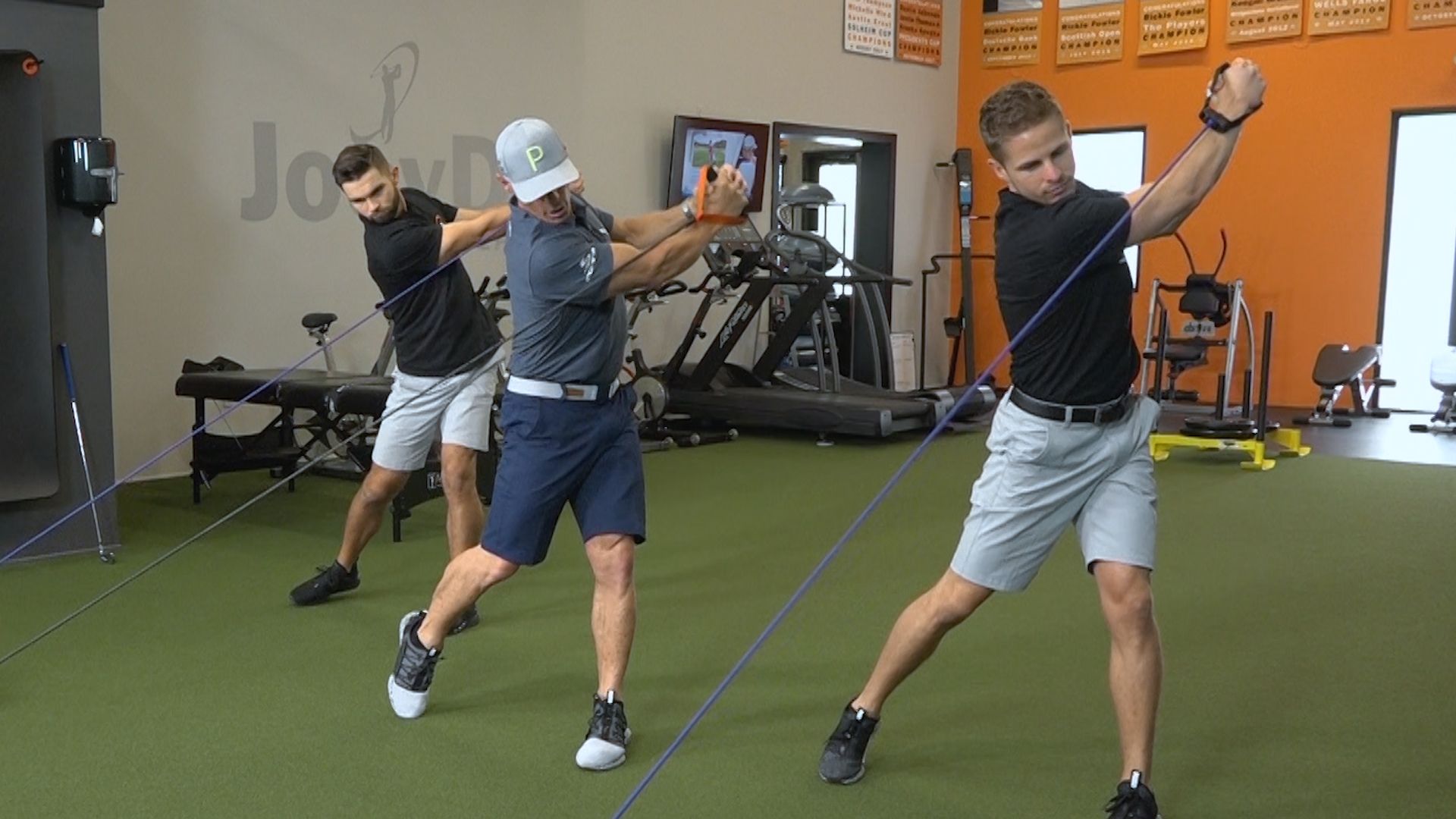
Do you ever think about why top golfers don’t spend all their time just hitting balls at the driving range or working out in the gym every day without a set plan? The key to their success, strength, and mental sharpness isn’t just because they’re talented or have great gear; it’s because they employ a clever training method called periodisation.
Essentially, periodisation involves dividing a golfer’s training year into distinct sections, each with specific goals, varying levels of effort, and corresponding workloads. This is why your favourite players are at their best right when the big tournaments are happening and not six months before or after. Let’s face it, timing is crucial when you’re getting ready for that long birdie putt.
What Is Periodisation?
Think of periodisation like a guide for improving performance. Instead of doing the same drills and workouts every day, a golfer’s training is planned out in organised chunks, usually called macrocycles, mesocycles, and microcycles.
Macrocycle: The overall view. This looks at the whole season or even a whole year, showing when to increase strength, work on technique, or let up to be ready for competitions.
Mesocycle: A timeframe that lasts a few weeks to a couple of months where a golfer works on a specific goal, like refining their swing or boosting their power.
Microcycle: The weekly schedule that arranges workouts, rest days, and practice sessions for skills.
It’s not just about how much you practice; it’s also about when and what kind of training you are doing at that particular time.
Why Golf Needs Periodisation
Golf might not look as tough as running fast or lifting heavy weights, but it’s challenging in its own way. The game requires a mix of strength, flexibility, endurance, accuracy, and mental toughness. Here are the reasons periodisation is so important:
1. Injury Prevention
Hitting the ball hard over and over can put a lot of pressure on your back, shoulders, wrists, and hips. With periodized training, intense practice days are balanced with rest periods, which helps lower the chance of injuries that could ruin your season or even your career.
2. Peak Performance Timing
No professional golfer wants to be at their best in January when there are hardly any tournaments happening. Periodisation helps them time their best performance so their bodies and minds are sharp at the right moments, like during big events such as The Masters or the Ryder Cup.
3. Mental Freshness
Golf is just as much about mental skills as it is about physical abilities. Periodisation keeps players from getting tired of practising by changing the focus from heavy strength workouts to lighter drills for movement or putting practice. This keeps their minds interested and avoids getting worn out from practising too much.
4. Building Foundational Strength and Power
During the off-season, the focus is on building core strength, flexibility, and quick power, like laying down a solid foundation. Once that is set, the attention shifts to polishing techniques and accuracy when under pressure.
A Real-World Example: Rory McIlroy’s Training Approach
Rory McIlroy, who is one of the toughest players in golf, doesn’t just wake up and hit balls all day. His team carefully organises his training for the whole year. They focus on building strength in the off-season, fine-tuning his skills as tournaments get closer, and letting his body recover after tough games. This method helps him perform well consistently, lowers the chances of getting hurt, and excels when it’s most important.
DIY Takeaway for Weekend Golfers:
You don’t need to be a professional golfer to use the ideas of periodisation.
Off-season: Work on your flexibility, do some light strength exercises, and correct any swing mistakes.
Pre-season: Increase your workout intensity by focusing on building core strength and quick movements.
Competition phase: Improve your short game and concentrate on your mental game. Cut back on heavy lifting and prioritise your performance on the course.
Rest and recovery: Every few months, take a week or two to give your mind and body a break.
Periodisation isn’t just a fancy word used by sports experts; it’s a smart plan that can help separate casual golfers from serious competitors. Golf isn’t about just playing as much as possible; it’s about training wisely, performing your best at the right time, and avoiding injuries year after year.
So, the next time you feel like just hitting balls without a plan, think like a professional: make a plan, break it down, and carry it out. Your game will improve.
 Add Listing