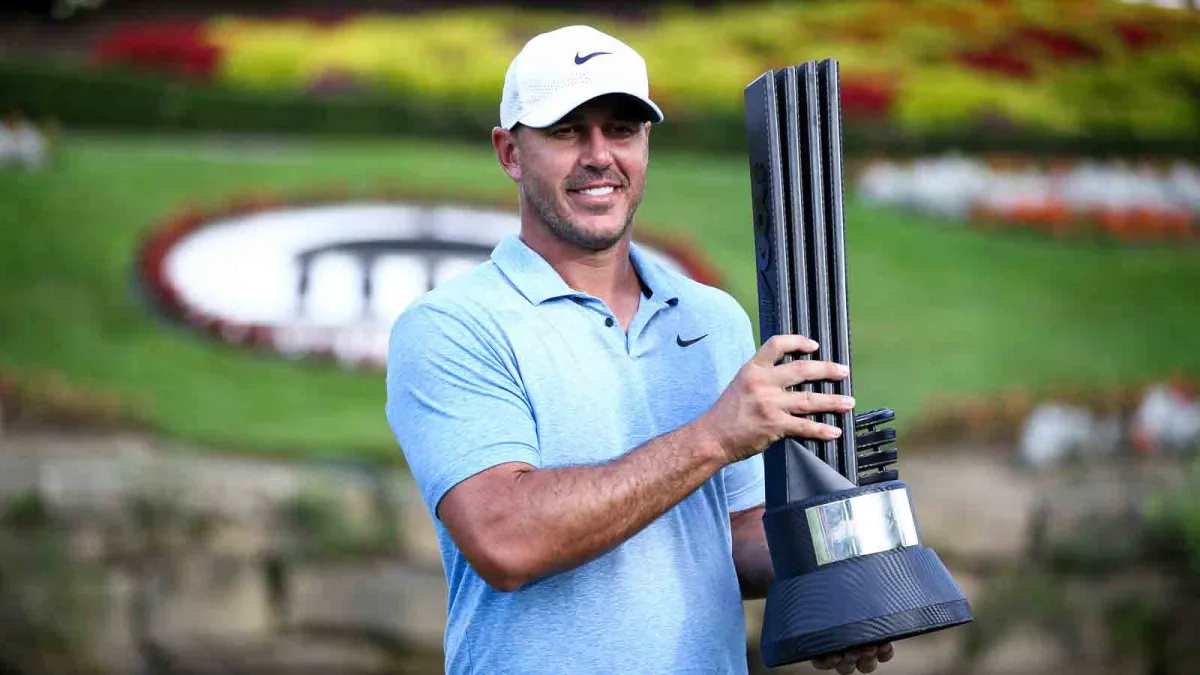
The PGA Tour has taken a decisive step toward healing golf’s long‑standing divide with LIV Golf by announcing a formal pathway for players to be reinstated. This move, known as the “Returning Member Program,” is designed to allow certain high‑profile defectors to rejoin the Tour under strict conditions. It represents both an olive branch and a statement of authority, ensuring that those who left for LIV Golf can return, but only after meeting specific eligibility criteria and accepting significant financial consequences.
Brooks Koepka has become the first player to take advantage of this program. A five‑time major champion, Koepka left the PGA Tour in 2022 to join LIV Golf but has now parted ways with the Saudi‑backed circuit. His reinstatement means he will officially return to PGA Tour competition at the Farmers Insurance Open at Torrey Pines in January 2026. His comeback is symbolic, not only because of his stature in the game but also because it sets a precedent for other LIV players who may be considering a similar move.
The program itself is tightly structured. Only players who won a major championship or The Players Championship between 2022 and 2025 are eligible, and they must have been away from the PGA Tour for at least two years. Financial penalties are a central part of the reinstatement process, with players required to forfeit equity stakes and bonus payments earned through LIV Golf. Reports suggest that Koepka’s return could cost him as much as $85 million, underscoring the seriousness of the Tour’s conditions.
Other stars who qualify under this framework include Jon Rahm, who won the 2023 Masters, Bryson DeChambeau, the 2024 U.S. Open champion, and Cameron Smith, who captured both The Players and The Open in 2022. None of them have yet confirmed whether they will pursue reinstatement, but the door is now open for their return.
The implications of this decision are far‑reaching. Reinstated players will regain full eligibility for major championships and team competitions such as the Ryder Cup and Presidents Cup, strengthening the competitive landscape of golf. For fans, the return of familiar names could help mend divisions that have split audiences since LIV Golf’s emergence. At the same time, the financial penalties and limited eligibility criteria ensure that the PGA Tour maintains control over the process, reinforcing its position as the sport’s dominant institution.
In many ways, the reinstatement program marks a turning point in golf’s civil war. By creating a pathway back, the PGA Tour is signaling a willingness to reconcile with former rivals while demanding accountability for their choices. With Koepka leading the way, attention now turns to whether Rahm, DeChambeau, and Smith will follow suit, potentially ushering in a new era of unity and competition at the highest level of the game.
 Add Listing