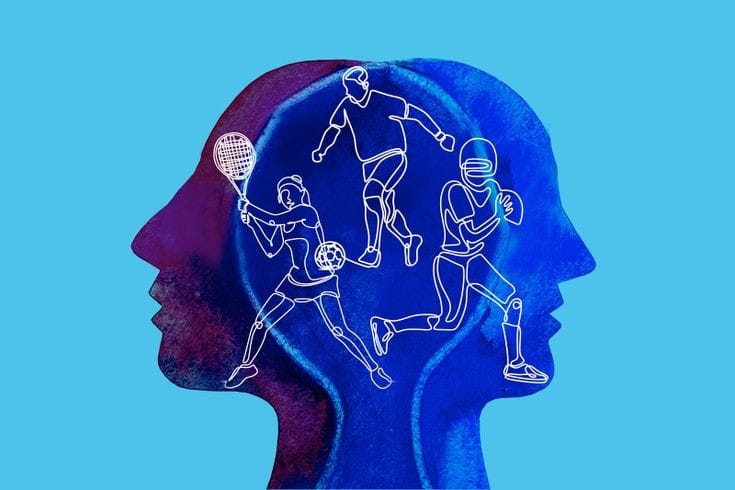
Sports Psychology is a field of psychology that studies the relationship between mental processes and physical performances in sports and physical activity. It focuses on understanding how psychological factors such as motivation, confidence, anxiety, resilience, concentration and emotions influence an athlete’s performance, well-being and development. The main aim of sports is to enhance athletic performance and mental well-being by applying psychological principles to training and competition.
A sports psychologist works with athletes, coaches, and teams to improve performance, mental strength, and emotional well-being. Their role involves both assessment and intervention using scientifically validated psychological techniques.
There are different types of Sport Psychologists, mainly:
EDUCATIONAL SPORTS PSYCHOLOGISTS: An educational sports psychologist uses psychological methods to help athletes improve sports performance. This includes teaching them how to use certain techniques such as imagery, goal setting, or self-talk to perform better on the court or field.
CLINICAL SPORTS PSYCHOLOGISTS: Clinical sports psychologists work with athletes who have mental health conditions such as depression or anxiety. This work involves using strategies from both sport psychology and psychotherapy. A clinical sports psychologist helps athletes improve their mental health and sports performance at the same time.
EXERCISE PSYCHOLOGISTS: An exercise psychologist works with non-athlete clients or everyday exercises to help them learn how to make working out a habit. This work can include some of the same techniques used by other sports psychologists, such as goal setting, practicing mindfulness, and the use of motivational techniques.
A sports therapist plays a vital role in enhancing an athlete’s competitive edge by ensuring optimal physical readiness, psychological support, and efficient recovery. By working so closely with athletes, coaches, and sports psychologists, a sports therapist contributes to both performance enhancement and injury management, which are essential in high-level competition.
ENHANCING ATTENTIONAL FOCUS
Through structured rehabilitation programs, movement retraining, and pain management, athletes learn to focus on correct techniques and body awareness. This heightened focus reduces errors, improves coordination, and helps athletes remain attentive during competition even under physical stress.
DEVELOPING MENTAL TOUGHNESS
Sports therapist also contribute to the development of mental toughness. Injury, fatigue and physical discomfort are common challenges in competitive sports. By guiding athletes through demanding rehabilitation and conditioning programs, sports therapists help them build resilience, discipline and perseverance.
VISUALIZATION AND GOAL-SETTING
Sports therapists encourage athletes to visualize proper movement patterns, successful recovery, and return-to-play scenarios. Along with this, short-term and long-term rehabilitation goals are set, helping athletes stay committed, track progress, and maintain confidence. This structured approach enhances motivation and readiness for competition.
MOTIVATION AND TEAM-BUILDING
By working with multiple athletes, therapists promote communication, trust, and mutual support during recovery and training. Athletes who feel supported by their medical and training staff and more motivated and confident, leading to better team cohesion and collective performance.
MANAGING ANXIETY
Fear of re-injury, performance pressure, and pain-related anxiety can negatively impact performance of the athlete. Sports therapists help athletes gradually return to play through controlled exposure, reassurance, and physical conditioning, which reduces anxiety and restores confidence in the body’s abilities.
REHABILITATION AND PERFORMANCE ENHANCEMENT
Effective injury prevention, early diagnosis, and evidence-based rehabilitation reduce downtime and ensure athletes return to competition at peak physical condition. Faster and safer recovery allows athletes to maintain consistency and outperform less-prepared opponents.
A sports therapist enhances competitive advantage by combining physical conditioning, injury management, and psychological support. By improving attentional focus, mental toughness, motivation, anxiety control and rehabilitation outcomes, sports therapists help athletes perform with confidence, resilience, and efficiency giving them a decisive edge in competitions.
 Add Listing