
News
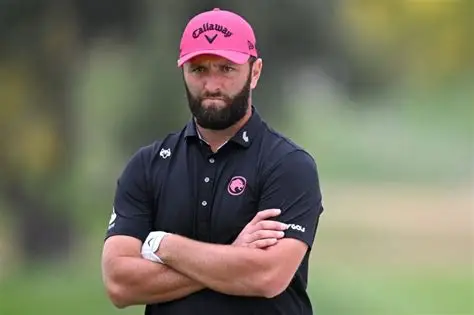
The ongoing saga between the PGA Tour and LIV Golf has taken another dramatic turn, with Jon Rahm officially set to leave LIV and rejoin the PGA Tour. While his return will be welcomed by fans of traditional golf, the conditions attached to his reinstatement are nothing short of extraordinary.
Rahm’s path back to the PGA Tour requires him to donate a staggering $25 million to charity. The precedent was set earlier this year when fellow multiple major champion Brooks Koepka was required to contribute $5 million as part of his own return. Rahm’s penalty, however, is five times larger, underscoring the Tour’s determination to make high‑profile defections pay a steep price.
In addition to the financial requirement, Rahm must deliver a public apology. This statement will include a verbatim declaration of his separation from LIV Golf and his return to what the Tour calls “Traditional Golf.” The move is designed to send a clear message to players and fans alike: rejoining the PGA Tour requires not only financial restitution but also a symbolic recommitment to its values.
Rahm’s reinstatement comes with restrictions. He will not be eligible for Signature Events unless he qualifies through performance, nor will he receive sponsor exemptions into those tournaments. The Tour is effectively ensuring that Rahm earns his way back into its most prestigious stages, rather than being granted immediate access.
Stories suggest that Rahm’s close friend and Legion XIII teammate Tyrrell Hatton is also exploring a deal to rejoin the PGA Tour. If true, Hatton’s decision could signal a broader trend of LIV players seeking a way back into the fold, albeit under strict conditions.
The situation has prompted a response from LIV Golf itself. CEO Scott O’Neil is expected to address the press, offering the league’s perspective on Rahm’s departure and the growing wave of players reconsidering their future. His comments may prove pivotal in shaping the narrative of whether LIV can retain its stars or whether the PGA Tour’s strategy of conditional reintegration is succeeding.
Rahm’s return highlights the shifting balance of power in professional golf. The PGA Tour is opening its doors, but only on its own terms, financial penalties, public contrition, and restricted access. For Rahm, the cost is immense, but the reward is a chance to reclaim his place in the sport’s traditional hierarchy.