
News
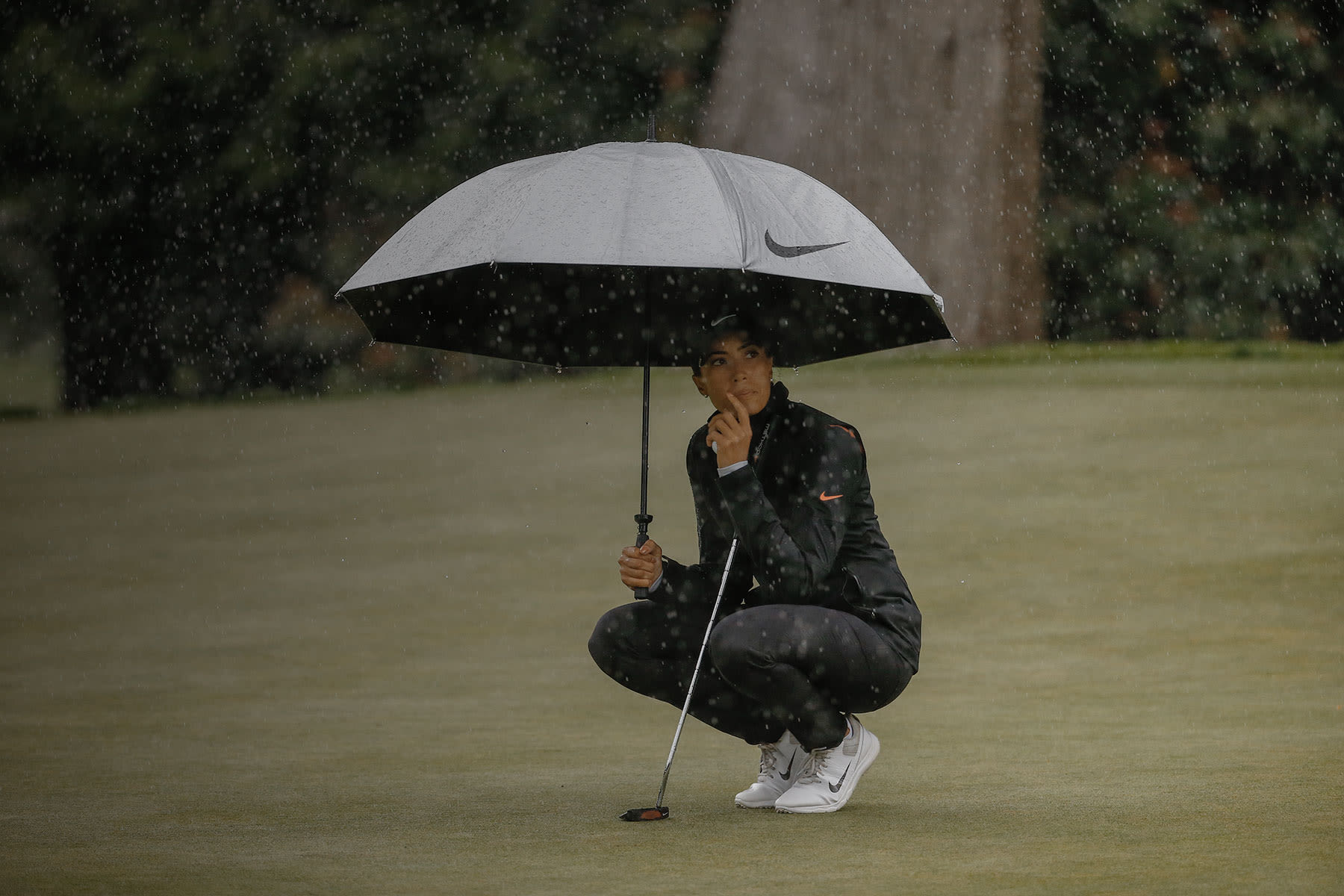
Golf is a sport where the environment is really important. Unlike games played inside stadiums, golf happens outside on real land. Things like temperature, wind, and how healthy the grass is have always influenced the game. But with climate change happening faster, these natural factors are becoming harder to predict and are changing more often. For both professional and casual golfers, how well they play is now more linked to how well they adjust to these changing conditions.
Increased Heat and Player Stamina
One major effect of climate change is the rise in temperatures. Heatwaves are becoming normal in popular golfing areas, from the southern United States to certain parts of Europe and Asia. For golfers, hot weather isn’t just uncomfortable; it can affect their ability to concentrate, stay hydrated, and keep their muscles working well. If players get dehydrated, it can impact their decision-making and make them tired, which is a big problem in a sport that requires a lot of focus for hours. How well they perform on the course often depends on their physical stamina, and extreme heat challenges that more challenging than ever.
Grass Quality and Course Playability
Climate change also puts pressure on the course itself. Higher temperatures and changes in rainfall affect traditional grasses like bentgrass and rye, leading to uneven grass quality. In some places, groundskeepers are trying out newer types of grass that can handle heat and drought better, but this changes how the ball behaves on the ground.
On one hand, when it’s drier, the fairways can become faster and harder, making long shots easier but making accurate shots harder to achieve. On the other hand, when there are heavy rains, the greens can get soggy, making the ball roll less and requiring more power, which impacts putting strategies. Golfers who are used to stable conditions now have to adjust from hole to hole since the “feel” of the course can change a lot with the weather.
Wind and Extreme Weather
Wind has always played a role in golf, but changing weather patterns are making it less predictable and stronger. Strong winds create more uncertainty in how the ball flies, which forces players to rethink how they hit their shots and which clubs they choose. Plus, storms and unexpected weather events have disrupted tournaments more often lately, adding mental stress as players cope with delays and changes to their schedules.
The Mental Challenge
Golf is already one of the most mentally tough sports. With additional stress from climate-related situations like playing in extreme heat or having to adjust after a lightning delay, golfers’ focus and mental strength are being tested more than ever. Players not only have to keep their swinging techniques in check but also remain calm and confident in situations that feel tougher and more challenging.
Preparing for the Future
The professional sport is already taking action. More athletes are teaming up with fitness coaches and hydration experts to deal with the tough effects of really hot weather. Organisers of tournaments are changing the start times to steer clear of the hottest parts of the day, and some golf courses are putting a lot of money into eco-friendly grass care methods. For recreational golfers, the changes are less obvious but still very important: starting play earlier, wearing lighter clothing, and paying attention to their bodies during games are all ways to adjust to what’s becoming normal.
Golf has always been about how players connect with their surroundings. Right now, that connection is facing challenges. Climate change isn’t just something to worry about in the future; it’s changing how the game is played today, affecting everything from the grass on the course to the scores. As things change, how well a golfer does will rely not just on their skills with the clubs, but also on how well they can handle the changing environment.