
News

A driver is an integral part of the game of golf, and therefore, an integral part of a golfer’s arsenal. Drivers are used to hit the longest shots off the tee. It allows the ball to travel to father distances. Golfers use drivers to tee off from par-4 and par-5 holes.
Drivers fall under the Woods category. Its loft varies between 8.5° to 13°, and is known for being the largest club head among other woods in a golfer’s arsenal. Thus, a driver provides a better and larger sweet spot. It has a longer shaft among other woods, and is often numbered as the 1-wood.
At one point of time, when the game of golf evolved in Scotland for the first time, drivers were not close to what a driver, today, looks like. While modern day drivers can send the ball over 300 yards on a par 4 or par 5 holes, the drivers, or the archetype of today’s driver could not do so. Drivers, like other clubs were made up of hard wood, like apple wood, beech wood or pear wood, and the shafts were made of ash, hickory and hazel. Such drivers were called “Long Noses” or “Play Clubs”.
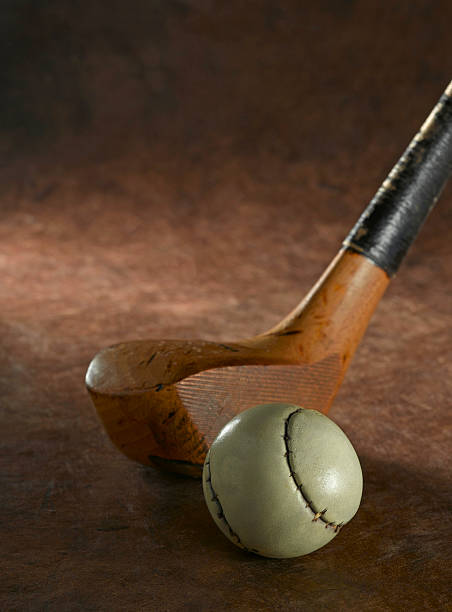
These “Long Noses” or “Play Clubs” had a long and slender face, which is why such a name had been given to it. These drivers were hand crafted and the club was connected to the shaft by using a splint and a leather strap was used to bind them together. Though costly, these drivers were not as powerful and durable as modern-day drivers.
Long Noses were used from the 14th Century to the 19th Century. Each long nose had its own unique design, customized by craftsmen according to the need of the golfer. During this time, the golfers could not make hard contact with the ball while taking the swing. The swing had to be essentially gentle. In the 19th century, the popularity of the long nose drivers gradually started to decline as a result of the decline of the featherie balls. The introduction of the gutta-percha balls changed the way drivers were being made.
Bulger Headed Woods
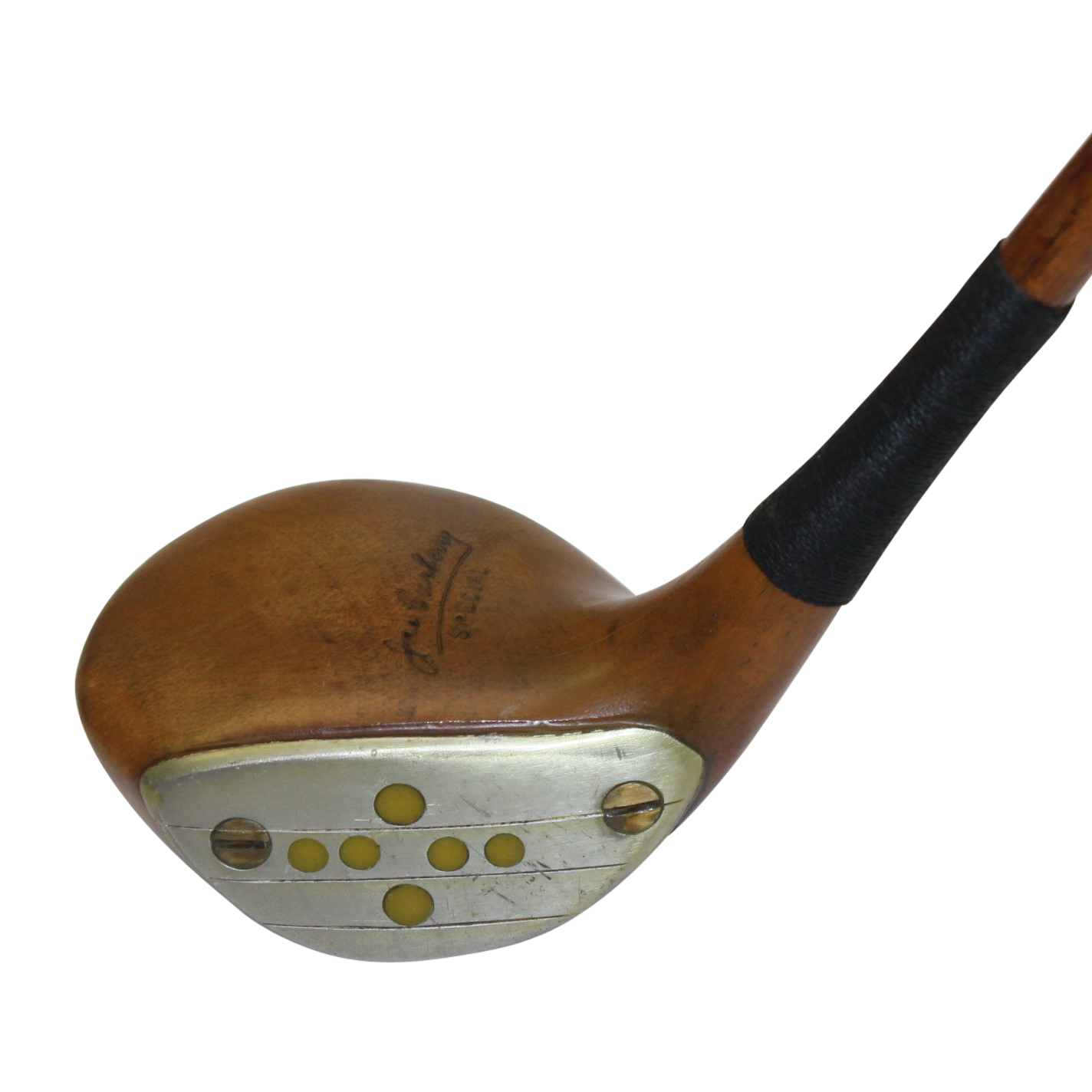
As the gutta percha balls were harder than the light-weight featherie balls, the drivers needed to be sturdier yet shorter so that it could hit the ball with a greater impact. By the 1800s, “Bulger Headed Woods” were introduced, replacing the long nose drivers. These Bulger-Headed Woods were made of dense hard wood such as beech and hornbeam, and had a more rounded club face. Famous sporting company, Spalding began producing Bulger-Headed Woods for the first time at a large scale during the Industrial Revolution.
Persimmon Drivers
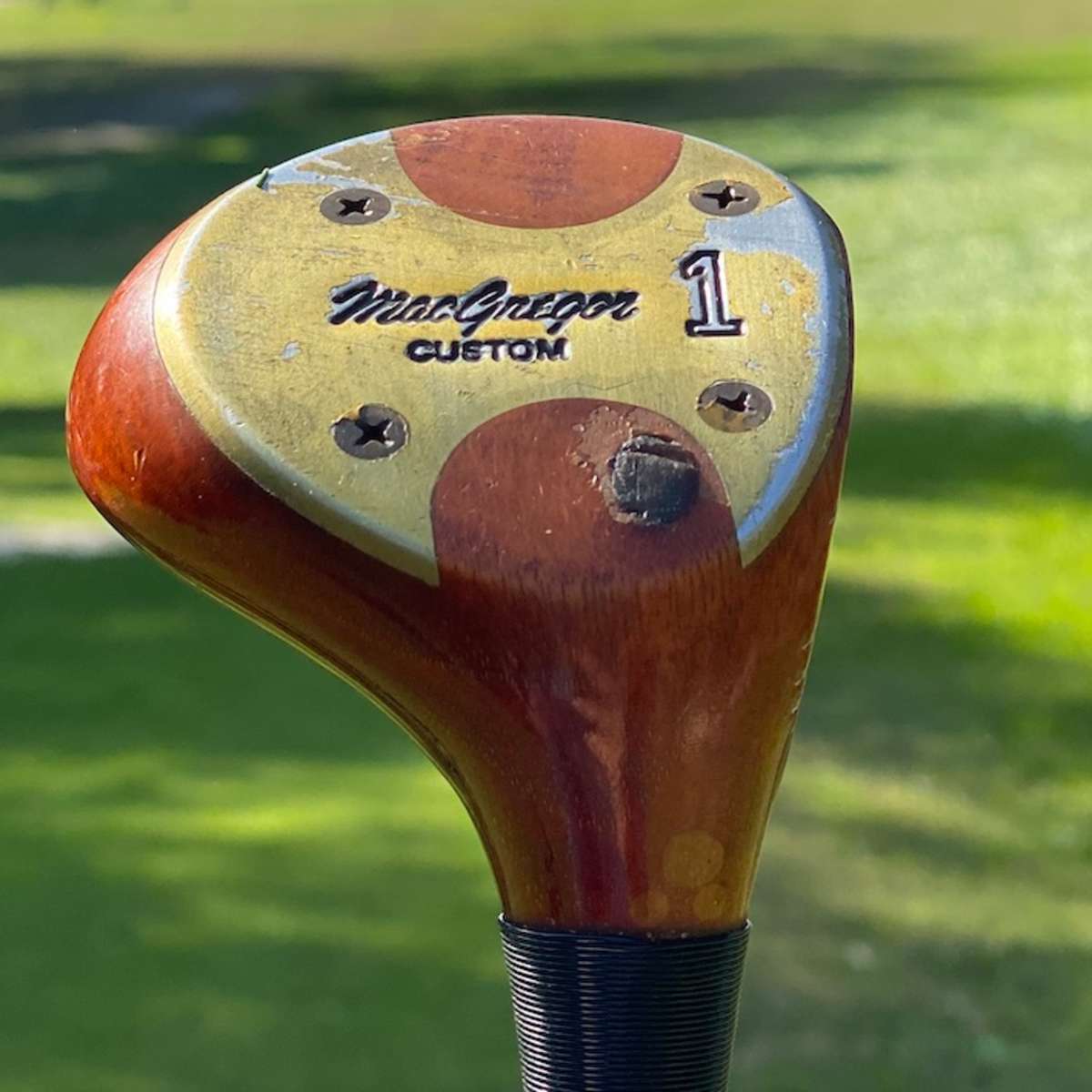
Crafted and designed by talented craftsmen, the Persimmon drivers came into existence in the early 1900s with the introduction of the Haskell ball made with rubber in 1898. These new drivers were very hard and durable, and were able to tee the ball off at great distances. The shafts of these Persimmon clubs were made with steel, and not hickory, unlike its predecessors. Metal drivers were not in fashion yet in between 1920s and 1930s, and companies like Spalding, MacGregor and Wilson started to produce Persimmon drivers at a large scale between 1920 and 1930, as these were legalized by R&A in 1929.
In the mid 20th Century, the manufacturing of drivers was revolutionized with the introduction of metal drivers. The first metal to be used was stainless steel, and TaylorMade was the first to introduce their first stainless driver in 1979. This was revolutionary, as these modern drivers were extremely powerful and durable, and made it easy for golfers to establish better contact with the ball, and hit harder shots, thereby improving distance and accuracy of shots.
Big Bertha Drivers
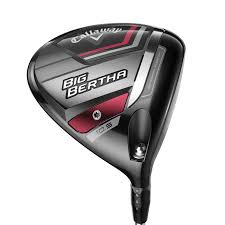
However, drivers made of wood did not go completely out of fashion till 1990, when Callaway introduced the “Big Bertha” drivers. Made of Titanium, these proved to be the best drivers since the evolution of golf as a sport. These “Big Bertha” drivers were lighter in weight, but were stronger than drivers with steel shafts, and enabled golfers to fine tune their lofts and lie in all kinds of course and weather conditions. Gradually, hitting a ball became easier, as these drivers provide large sweet spot. These drivers were also adjustable, and possessed aerodynamic shaping for higher speed swings.
In today’s drivers, CG, loft and lie, all can be adjusted. Modern day drivers ae also capable of using machine learning and AI. Carbon composite crowns and graphite shafts help reduce weight and even have embedded sensors.