
News
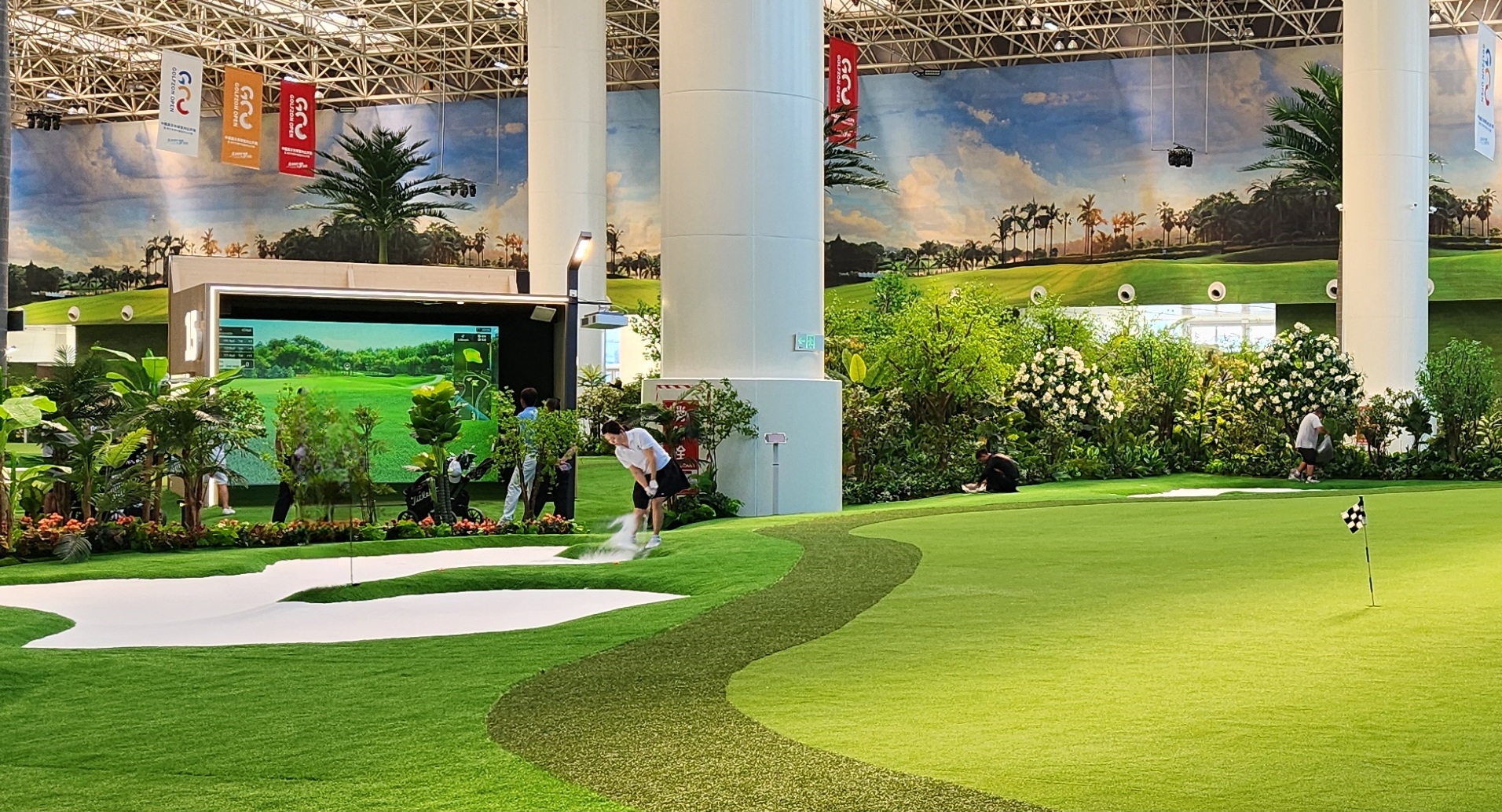
We typically witness golf being played on expansive green courses with sprawling fields, immaculate fairways, and serene settings away from the bustle and commotion of the city. It has historically been a sport associated with upscale clubs, open spaces, and long playing hours. Now, though, that habit is gradually beginning to shift.
New ways to play golf without a full 18-hole course are being discovered in cities all over the world, from Mumbai to New York. Urban golf is the name of this recent trend, which is rapidly gaining traction. People are transforming parking lots, school grounds, public parks, rooftops, abandoned buildings, and even small alleys into imaginative and entertaining play areas. For kids and novices who have never played on a traditional course, it’s a fun way to increase golf’s accessibility and inclusivity.
Urban golf is becoming more and more popular due in large part to its affordability and ease of setup. Pop-up targets, tiny turf mats, and foam or plastic balls are all the basic equipment needed to turn any open space into a miniature golf course. High fees, lengthy commutes to a course, and pricey clubs are not necessary. Because of this, it is ideal for places with limited space and funds, like community centres, schools, or apartment buildings.
In addition, urban golf infuses the game with fresh vitality. It’s enjoyable, quick-paced, and frequently more laid back. There is no pressure for kids to try golf. They enjoy imaginative games and tasks while learning the fundamentals—grip, swing, aim, and focus. To make lessons more interesting, particularly in cramped spaces, coaches and trainers are also modifying their teaching strategies by incorporating entertaining drills and adaptable setups.
The fact that it encourages physical activity in cities is yet another important advantage. Urban golf is a novel and healthful alternative in the current digital era, where children spend more time on screens than on athletic fields. It enhances vital life skills that go beyond simply hitting a ball, such as balance, coordination, focus, and patience.
This trend is being supported by an increasing number of local organisations, sports academies, and educational institutions. They are planning mini-tournaments in their own venues and incorporating golf into their physical education curricula. For entertainment and stress relief, “golf corners” are even being installed in apartments and corporate offices.
Our perception of the game is evolving due to urban golf. It’s proving that anyone, anywhere, can play golf and that it’s not just a sport for the elite. It’s bringing a new generation of young golfers into the game and shattering the barriers of tradition, cost, and space.
To put it briefly, you can enjoy golf without having to play on grass. All you need is a small amount of room, some simple tools, and the desire to play. That is made possible by urban golf, which appears to be here to stay.