
News
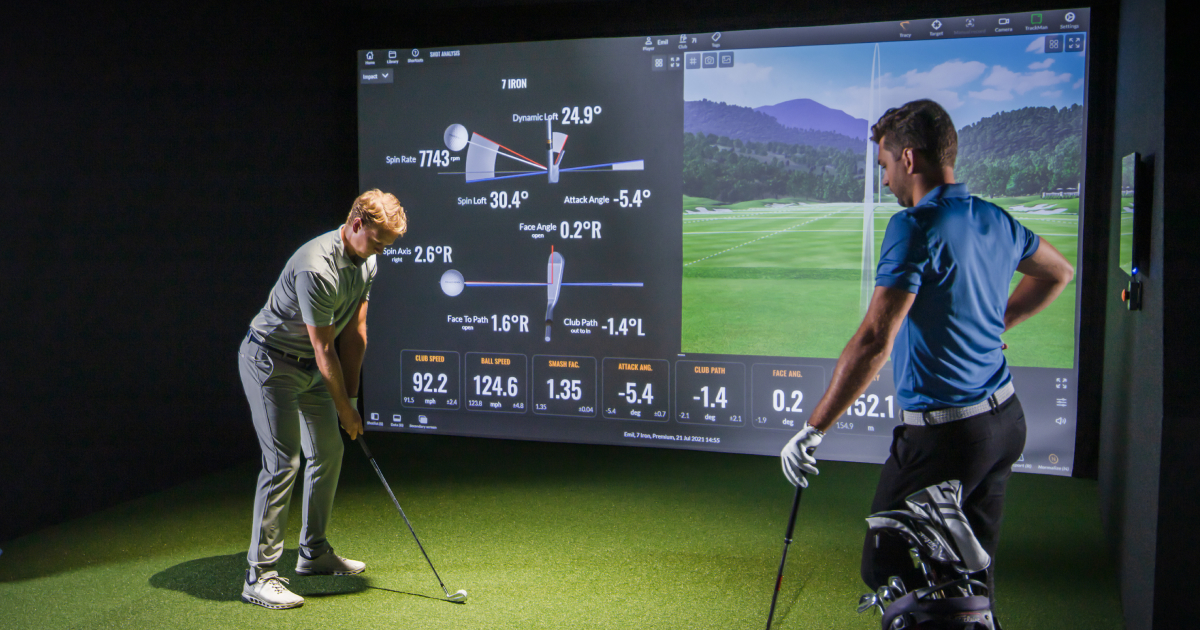
When a golfer is playing and wants to improve his/her game, and perform better, it is important for golf coaches and experts not only to analyze swings but also to analyze ball flights. Each shot needs to be monitored so that the game improves, and this is where golf ball tracking technologies come handy for golfers. This technology is completely driven by AI and detects the balls, analyzes the ball trajectory, works with the ball’s angle of ascent, and detects whether the ball has got into the hole. These technologies use cognitive algorithms to check with cameras where the ball is headed towards.
The ball analyzing technology has really proved to be useful for budding and professional golfers playing national and international tournaments. Some of the useful benefits of ball tracking technology are as follows:
- Primarily used by coaches and players of all levels, the ball tracking technologies identify errors in swings and allows the instructors to show the students whether they are striking the ball off the toe.
- These technologies also help the players play fast and offer the players more targeted improvements.
- Regular access to ball tracking technology builds a performance profile for golfers and tracks consistency of a golfer during practice sessions and tournaments at large.
- These technologies help in improving target-based practices and helps in setting measurable goals.
- The ball tracking technology compares ball flight and performance of balls of various different brands of golf balls.
- These also measure how the design and manufacturing of the various companies of golf balls change the effect of launch, spin or distance.
The various popular ball tracking technological devices popular with budding golfers, professionals, and coaches are:
- Radar-based tracking system: Trackman, FlightScope etc possess radar-based golf ball tracking systems.
- Camera-based tracking system: GCQuad and SkyTrak are examples of camera-based tracking systems.
- Hybrid tracking system: Rapsodo and Full swing Pro series are examples of hybrid ball tracking system. These devices use both camera and radar to track down the balls and detect the flight, speed, curve, and trajectory of the golf balls.

Radar-based Ball Tracking Technology: FlightScope and TrackMan.
Radar-based tracking devices like TrackMan and FlightScope use Doppler-radar technology. They use microwave signals to reflect off the golf ball when it takes a flight and travels. As the ball travels and moves forward in its direction, a doppler shift occurs, where the movement of the balls alter the frequency of the radar waves. TrackMan uses a dual radar system, out of which, while one radar tracks the swing and the movement of the clubs, the second radar detects the flight of the ball in motion from its impact to its landing.
The best reason of golfers preferring radar-based technology is because it is not dependent upon the lighting. Any amount of lighting is sufficient for the devices to function, and it requires an open space to function. TrackMan and FlightScope measure the speed of the ball, its launch angle, the spin rate, total distance of the flight, angle of ascent and descent, and the ball’s timing in the air during its flight. It also focuses on the interaction of the club with the ball on a precise note.
Photometric Ball Tracking Device: GCQuad and SkyTrak
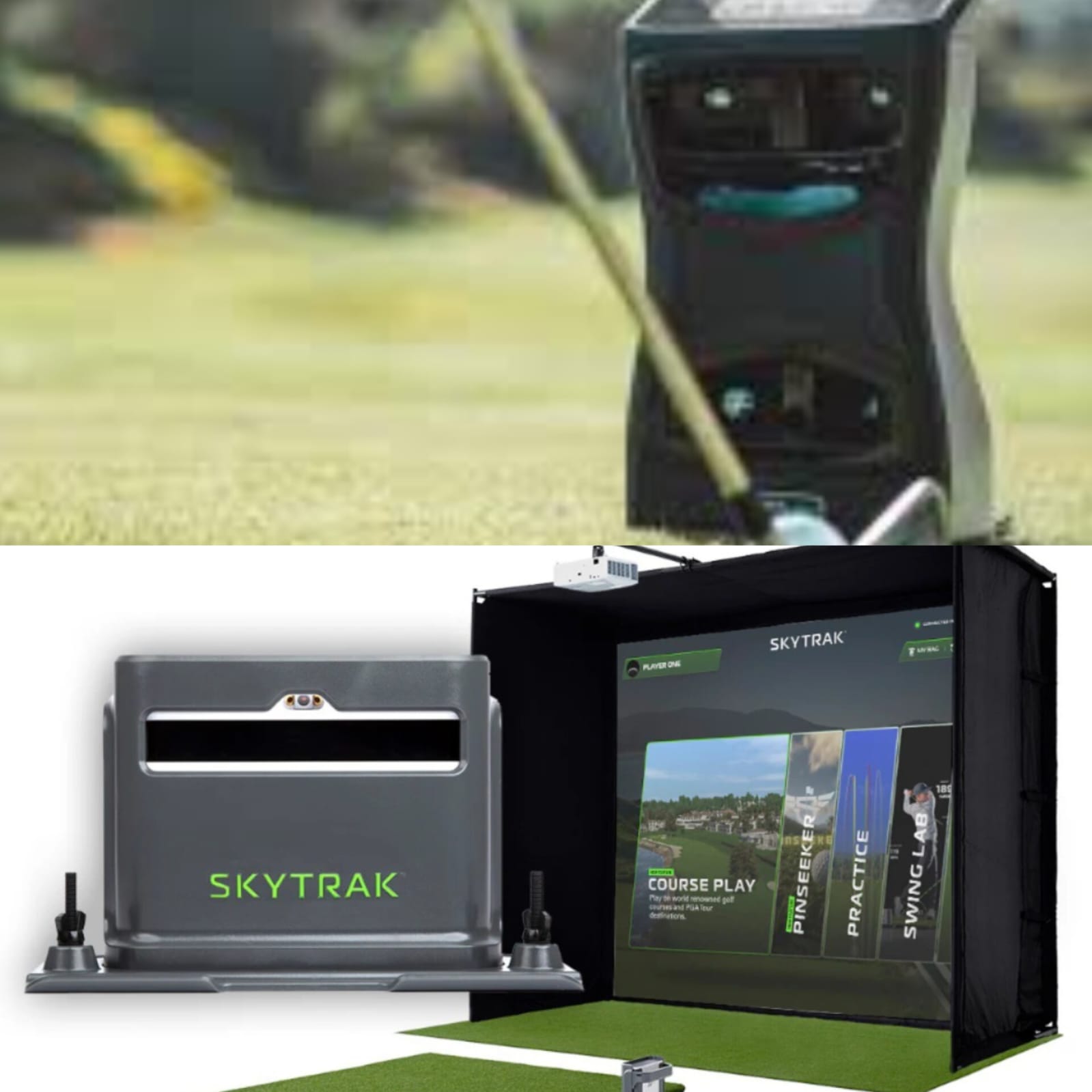
On the other hand, devices like GCQuad and SkyTrak use photometric or camera-based tracking systems. GCQuad uses quadra photometric tracking system. There are four synchronized, high-quality lenses that captures the ball at its impact during the flight. These high-quality cameras, depending upon the model and upgradation of the software system used within the GCQuad, takes detailed image of the golf balls within milliseconds of the impact of the ball. This device captures the ball launch angle, the speed and the spins of the ball, and its initial trajectory.
SkyTrak captures multiple images of the ball and helps mainly in detecting the speed, spin, and launch direction of the ball. The images captured are high resolution, and the device uses proprietary algorithms to stimulate the fall flight and shot shape. Unlike GCQuad or FlightScope, SkyTrak does not measure clubface angle, path or attack angle because it tracks only the ball, and not the club.
The feedback received from the usage of the AI driven ball tracking technological device is integrating practice and training regimes, promoting targeted improvements based on the unique requirement of each budding and professional golfer. These devices are also becoming easily accessible and affordable, due to their user-friendly nature and popularity among its users. The ball tracking technology has grown to empower the golfers and refine their skills, set measurable goals, and play better during tournaments of national and international repute.